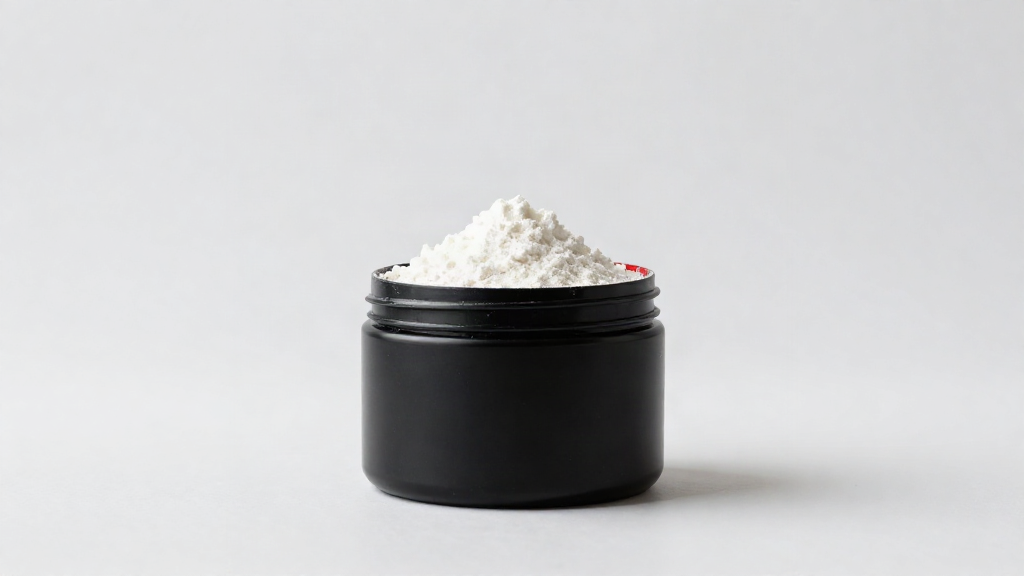
Electrolyte Supplements FAQ: Do You Really Need Them?
Do you really need electrolyte supplements for training? A clear, no-hype FAQ on what electrolytes do, when you lose them, and how to choose a clean formula.

Walk into any gym and you’ll see shaker bottles of every color. Walk into a supplement aisle and the electrolyte shelf is even louder: neon tubs, bold claims, and a new formula every month. That noise makes an honest question harder to answer than it should be - do you actually need electrolyte supplements, or is water enough?
Here’s the short version: it depends on how much you sweat, how long you train, and what you’re trying to protect. Below we answer the questions we get most, without the hype.
What Do Electrolytes Actually Do?
Electrolytes are minerals that carry an electrical charge once they dissolve in water. The four that matter most for training are sodium, potassium, magnesium, and calcium. Their job is functional, not decorative: they help regulate fluid balance, muscle contraction, nerve signaling, and the acid-base balance your cells run on.
Every heartbeat, every muscle fiber that fires, and every signal your brain sends to move a limb depends on these charges moving in and out of cells. When electrolyte levels drift, performance drifts with them - sometimes quietly, and sometimes as a cramp mid-set.
When Does Training Actually Deplete Electrolytes?
Sweat is the main driver. Sweat is not just water; it carries sodium and chloride along with smaller amounts of potassium, magnesium, and calcium. The more you sweat, the more you lose.
Three variables decide whether that loss matters:
- Duration. Under about 60 minutes of moderate training, most people replace losses with normal meals and water. Past 60 to 90 minutes, or in the heat, losses stack up.
- Sweat volume and composition. Heavy sweaters - and especially “salty” sweaters who leave white streaks on dark clothing - lose the most sodium per liter of sweat.
- Heat and humidity. In hot conditions you can lose one to two liters per hour, and each liter carries its own mineral load.
A two-hour session in a hot gym is a different situation than 30 minutes in air conditioning. The honest answer isn’t “always” or “never” - it’s “sometimes,” and knowing your own numbers tells you which.
Signs You May Need More Sodium, Potassium, and Magnesium
Dehydration and electrolyte loss overlap, so the clues are easy to misread. Watch for these.
Sodium
Sodium is the most abundant electrolyte in sweat and the one most often undersupplied. Signs you may need more include muscle cramps that show up late in a session, a headache after training, lightheadedness when you stand up, unusually salty-tasting sweat, and dark, scant urine. Sodium also helps you hold on to the water you drink - which is why plain water sometimes leaves you feeling full but not hydrated.
Potassium
Potassium works opposite sodium to manage fluid inside your cells and support muscle function. Intake runs low if your diet is light on fruit, vegetables, and legumes. Clues include muscle weakness, general fatigue, and cramping that lingers after training. Most people can cover potassium with real food - bananas, potatoes, leafy greens, and beans.
Magnesium
Magnesium is involved in muscle relaxation, energy metabolism, and nerve function. A shortfall can show up as nighttime cramps, muscle twitching, or sluggish recovery. It’s also one of the minerals active people commonly miss through diet alone.
If you train in extreme heat, take medications, or manage a heart or kidney condition, talk with a clinician before loading up on sodium or potassium. That caution is standard, and we stand behind it.
How to Choose an Electrolyte Product Without Unnecessary Additives
The supplement shelf rewards flash over substance. Here’s a cleaner filter:
- Start with the sodium number, in milligrams. If a formula won’t tell you how much sodium is in a serving, it isn’t built for training. Expect roughly 300 to 600 mg per serving for moderate to heavy sweating, and more for long, hot sessions.
- Check for sugar and dyes. Sugar has a place in long endurance efforts, but for everyday training a formula with little or no sugar and no artificial colors is usually the smarter default.
- Match potassium and magnesium to real needs. Look for meaningful amounts, not sprinkle-level doses that exist only to round out the label.
- Read the “other ingredients” line. No mystery blends, no proprietary panels you can’t audit. A transparent label is a good sign of a transparent brand.
- Buy from brands that can prove how they’re made. Third-party testing and GMP certification are the baseline you should expect, not a premium upgrade.
Do You Really Need Electrolyte Supplements?
Here’s the honest verdict:
- Short, cool, low-sweat sessions (under 60 minutes): not usually. Water and a balanced diet do the job.
- Long sessions, heavy sweating, or hot conditions: yes. A well-formulated electrolyte can protect hydration, performance, and how you feel afterward.
- Salty sweaters, endurance athletes, and anyone training twice a day: the case is strongest. Replacement only stops mattering when you replace what you lose.
Think of it as a dial, not a switch. Match the input to the demand.
The Bottom Line
Electrolyte supplements are not a magic ingredient, and they’re not a gimmick. They are a targeted tool for a specific job: replacing what you sweat out when the losses are big enough to matter.
Choose a formula with honest sodium numbers, no unnecessary additives, and a brand willing to show you its testing. Then treat it the way you treat training itself - consistent, measured, and built for the long run. At Kaizen Performance Nutrition, that idea of steady, compounding improvement is the whole point. We’re a nurse-practitioner-formulated, GMP-certified brand, and a registered 501(c)(3) nonprofit, because the products you put in your body should come from someone whose motives you can actually check.
The Kaizen lineup
Clinically-minded supplements formulated by a nurse practitioner and manufactured in an FDA-registered, GMP-certified facility.
Shop Supplements 10% of profits from every order go to Point One Vision, a nonprofit.