Omega-3 vs Krill Oil: EPA, DHA, and Value Compared
Omega-3 vs krill oil comes down to EPA and DHA per dose, absorption, sourcing, and cost. A clinical head-to-head to help you pick the right source.
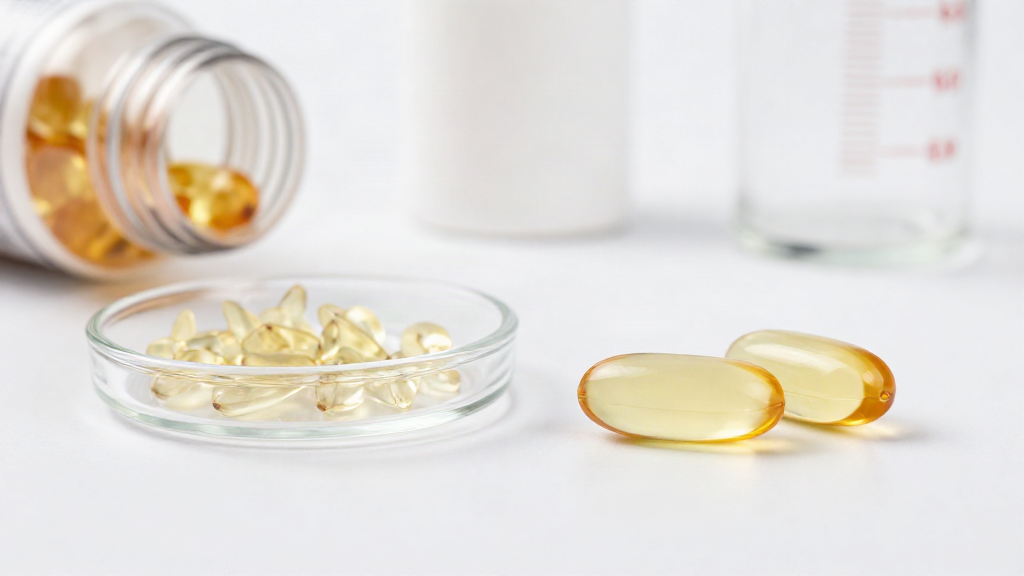
Omega-3 vs krill oil is one of the most common decision points for anyone building a serious supplement stack. Both are credible sources of the long-chain omega-3 fatty acids EPA and DHA. Both are backed by real research. And both are sold with claims that sound almost identical - which is exactly why the comparison is worth doing properly.
This is a head-to-head on what actually separates the two: EPA and DHA content per dose, absorption and bioavailability, sustainability, and cost per effective gram. Then we’ll cover who each option suits, and where a well-formulated omega-3 fits into a performance-focused routine.
What Actually Matters in an Omega-3 Source
Before comparing fish oil and krill oil, it helps to know what you’re buying. Almost every benefit associated with omega-3 supplementation - cardiovascular support, brain and cognitive function, joint comfort, recovery - is driven by EPA and DHA, not by “fish oil” as a category.
Three variables determine whether a product delivers:
- EPA and DHA per serving. The total oil weight means little. What matters is the grams of actual EPA and DHA in each dose.
- Absorption. How much of that EPA and DHA your body actually puts to use.
- Purity and stability. Oxidation and contaminants are a real risk in lower-grade marine oils, and they blunt the value of an otherwise sound formula.
Hold those three lenses up to both options and the differences become clear.
EPA and DHA Content: The Core Difference
Fish oil and krill oil differ dramatically in concentration.
Standard fish oil is roughly 30% EPA and DHA by weight. A 1,000 mg capsule of standard fish oil therefore delivers around 300 mg of combined EPA and DHA - the other 70% is other fats. Concentrated and re-esterified fish oils push this much higher, often to 60-80% or more.
Krill oil is different in composition. It carries EPA and DHA bound in phospholipids rather than triglycerides, which is the source of most of its marketing claims. But krill oil typically contains only about 15-30% total EPA and DHA by weight. A 500 mg krill oil capsule might deliver around 100-150 mg of combined EPA and DHA.
The practical consequence: to match the EPA and DHA in a single concentrated fish oil capsule, you generally need several krill oil capsules. That’s the headline number in this comparison, and it’s the one most buyers miss.
Absorption and Bioavailability
The krill oil argument centers on phospholipid-bound EPA and DHA being better absorbed than triglyceride-bound omega-3s. There is genuine mechanistic plausibility here - phospholipids are more water-soluble and are absorbed differently in the gut.
But the clinical picture is more nuanced than the marketing suggests. Head-to-head studies generally show krill oil is absorbed well, and in some trials achieves comparable blood omega-3 levels at lower total EPA and DHA doses. In others, the difference is small enough that it doesn’t meaningfully close the concentration gap.
The honest summary: krill oil’s absorption advantage is real but modest, and it does not reliably compensate for delivering two to four times less EPA and DHA per capsule. A concentrated, well-formulated fish oil typically delivers more usable EPA and DHA per dose even after accounting for absorption differences.
Sustainability and Sourcing
Krill sits at the base of the marine food web, and it feeds whales, penguins, seals, and fish. The krill fishery is concentrated in the Antarctic and is managed by an international commission with catch limits, but the ecological stakes are higher than for many other fisheries.
Well-run fish oil supply chains, by contrast, increasingly source from certified sustainable fisheries and use species like anchovy, sardine, and mackerel - short-lived, fast-reproducing fish with lower contaminant loads at the base of the chain. Certification programs and traceable sourcing matter here far more than the oil type itself.
For most buyers, both categories can be sourced responsibly. The deciding factor is the supplier’s transparency about origin, catch, and testing - not the label on the bottle.
Cost Per Effective Dose
Price comparisons are usually made per bottle, which is misleading. Compare cost per 1,000 mg of EPA and DHA instead.
Because krill oil is lower in concentration and more expensive to produce, the cost per effective gram of EPA and DHA is consistently several times higher than concentrated fish oil. Krill’s premium price buys you phospholipid-bound omega-3s and a smaller capsule count per dose - a fair trade for some buyers, but not a value argument.
If your goal is simply hitting a target daily EPA and DHA intake, concentrated fish oil is the more efficient path.
Who Each Option Suits
Krill oil can make sense if you dislike large capsules or fishy aftertaste - krill oil capsules are typically smaller and are often reported as easier to tolerate. It can also suit someone who has responded poorly to standard fish oil and wants to trial the phospholipid form.
A concentrated omega-3 suits the majority of performance-minded adults: anyone prioritizing a specific EPA and DHA target, taking omega-3 alongside a training and recovery routine, or watching cost per dose. It also makes dosing simpler - fewer, larger-dose capsules mean less counting and fewer chances to fall short of your target.
Where a Quality Omega-3 Fits
If you’re comparing sources, you’ve already decided omega-3 belongs in your stack. The next decision is the formula itself.
Kaizen’s Omega-3 softgels are built for exactly that: a clean, concentrated source of EPA and DHA supporting heart, brain, and joint health, formulated to deliver a meaningful dose without padding. Every batch is GMP-certified and nurse-practitioner formulated, so purity, potency, and label accuracy are verified rather than assumed. No proprietary blends, no filler oils, no ambiguity about what’s in the capsule.
The Verdict
Omega-3 vs krill oil isn’t a contest of good versus bad. Both deliver EPA and DHA, and both have a place.
But if your criteria are EPA and DHA per dose, cost per effective gram, and simplicity of hitting a consistent target, a concentrated quality fish oil wins on the numbers. If you want smaller capsules and phospholipid-bound omega-3s, krill oil is a legitimate alternative - just expect to pay more and take more of it.
Pick the source that gets you to your daily EPA and DHA target reliably. Consistency beats cleverness, and the best omega-3 is the one you actually take every day.
Kaizen Omega-3
Omega-3 softgels formulated by a nurse practitioner and manufactured in an FDA-registered, GMP-certified facility.
Shop Omega-3 10% of profits from every order go to Point One Vision, a nonprofit.